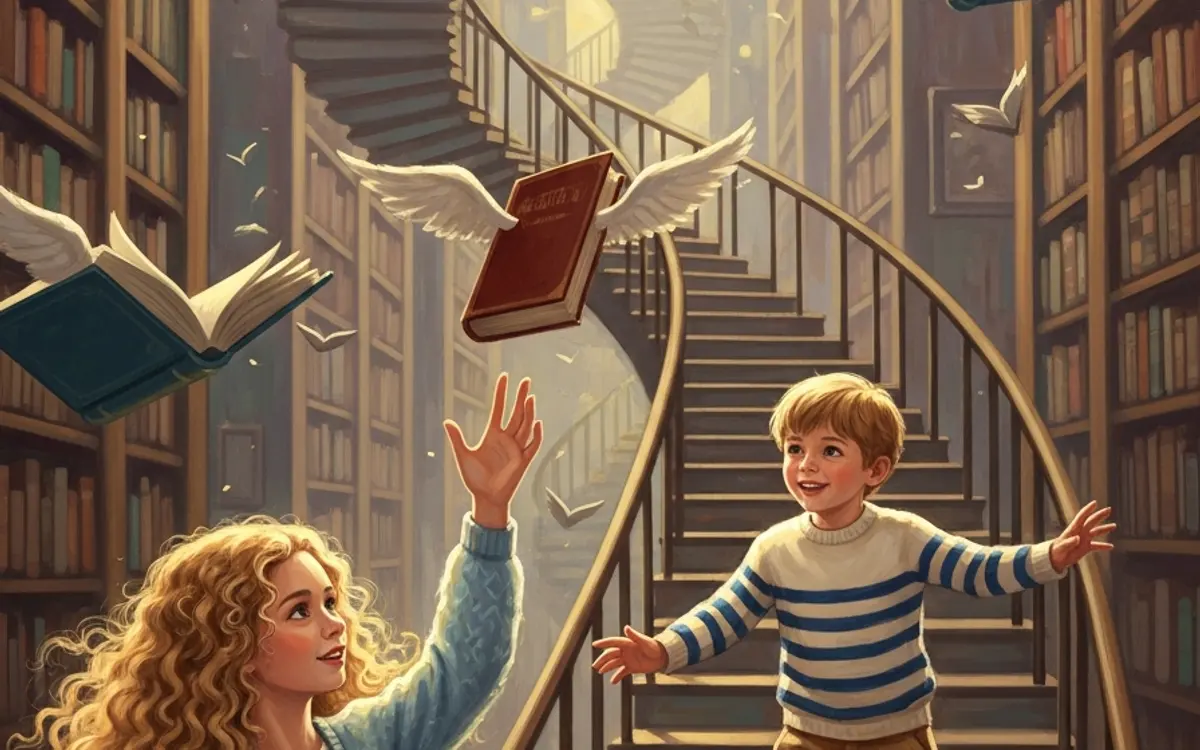
The child who reads everything is the hardest child to buy a book for. That sounds backwards and it is not. A kid who reads one book a month is easy: pick the popular one, they have not read it. A kid who comes home from the library with five, finishes two on the same day and stacks the rest by the bed has already been through the shelf you are standing in front of. Another book is a cup of water poured into the sea.
So the usual move is to go bigger. A boxed set. A special edition with sprayed edges. A hardback of the thing they already own in paperback. It works for about a week, because it is still the same transaction: here is another story about somebody else.
The thing that actually changes the arithmetic is not the book. It is whose story it is.
Why a heavy reader reacts differently
A child who reads a lot develops an ear for it. They know when a character is a real person and when a character is cardboard, even if they cannot say why. That instinct is exactly what makes them a hard audience for a gift book. You hand them a well-reviewed novel and they say thank you, genuinely, and put it on the pile with the others.
Hand the same child a book with their own face on the cover, their dog in the illustrations, the specific blanket they have dragged around since they were three, and the reaction is a different category of reaction. It is not politeness. The book is about them, and a heavy reader is the person most equipped to notice the difference, because they have spent hundreds of hours reading about everyone else.
The best gift for a child who loves books is not another book. It is their book.
The memories that turn into a decent story
The most common mistake is reaching for the biggest event. The birthday party. The holiday. The day at the beach with the good photo. These are pleasant and they carry almost no story, because nothing in them is at stake.
What works is small and specific.
A detail out of their own world
"A curious child" cannot be illustrated. "A child who counts the streetlights out of the bedroom window before going to sleep" can. The test to apply to any memory: can you see it as a scene? Is there a room, a light, a movement in it? If you cannot picture the frame, an illustrator cannot draw it.
An animal, an object, a habit
The cat. The blanket with the hole in it. The backpack they insist on wearing indoors. These are the details that make the book unmistakably theirs, because the child sees them every single day and recognises them instantly on the page.
The moment they stopped being scared of something
First time on a bike without the extra wheels. First night in the dark with the door shut. First day at a school where they knew nobody. This is the oldest shape in children's fiction for a reason, and a child seeing their own version of it rendered as an adventure is reading their own courage back to themselves.
Brothers and sisters, if they will otherwise sulk
Up to three characters fit in one book, so two siblings and a pet can share the same pages. If you have more than one reader in the house, putting them in the same story together is the cheapest way to avoid the second child asking where their book is.
What survives the shelf
Readers keep their books. Toys break, clothes stop fitting, but a book just sits there, and this is the specific reason a personalized one works for this child rather than any child. When they open it at twenty, they are looking at themselves at seven, drawn.
Some families order a second one a few years later, a different moment rather than an update of the first. Starting school in one, a new baby in the other. What accumulates on that shelf, between all the stories about other people, is a record of their own.
How it gets made
You send photos and a few concrete notes. We write a story from them and illustrate it, then send a digital proof. You read the whole thing before anything is charged. If a spread is wrong, it gets fixed before printing rather than after.
Text and art are both produced with AI from what you send, and every page is checked by a person before it goes out. There is no template with a name dropped into it, and no two books are the same. Photos are not used to train anything and are deleted after the book ships.
The book is 24 pages, 10 illustrated double-page spreads, hardcover, up to three characters. It costs $137.50 including shipping, and the pricing page is the version that stays current. A second copy of the same book is $77, which is what grandparents usually ask for once they have seen it.
Picking a style for a child who has seen a lot of books
A heavy reader has already met hundreds of illustration styles, which makes them pickier and easier at the same time: pickier because they have preferences, easier because those preferences are visible on their shelf.
Ghibli-inspired sits closest to the classic storybook look and suits anything with weather, woods or a journey in it. Pencil sketch is quieter and ages well, which matters if you are picking a book they will still want at fifteen. Flat vector is loud and bright and works for a child who reads fast and likes things to move. For the one who has moved on to dragons and castles, the darker fantasy end of the range holds up. All twenty-four are side by side on the styles page.
If the choice stalls, look at the cover of the last book they finished and pick the closest thing to it. That shortcut is right more often than it has any business being.
When to give it
There is no need to wait for a date. Birthdays and Christmas are the common ones, and the gift page for book-loving kids covers those. But the better occasions tend to be the unofficial ones: the week they finished something long and difficult, the month they started a new school, the ordinary Saturday when the reading has clearly become a thing rather than a phase.
Common questions
What age is it for? The text is written to the child's age. Shorter sentences and more picture for the small ones, a denser story for the older ones.
Is it really written for them, or is it a template with a name in it? Written from scratch, from what you send. No template, and no book is printed twice.
When do I pay? Nothing is charged until you have approved the digital proof.
How many characters? Up to three, so siblings or a pet can be in it.
What happens to my photos? They are not used to train any model, and they are deleted once the book has shipped.
Would it work for a child who does not like reading? Often better, actually. A child who is uninterested in other people's stories is frequently very interested in their own.
The question to ask about a child who reads everything is not which book they have not got yet. It is which book has them in it. Start one, or read how it works first.
Where to go next
Gift guide
A Gift for the Kid Who Loves Books →Styles that suit it
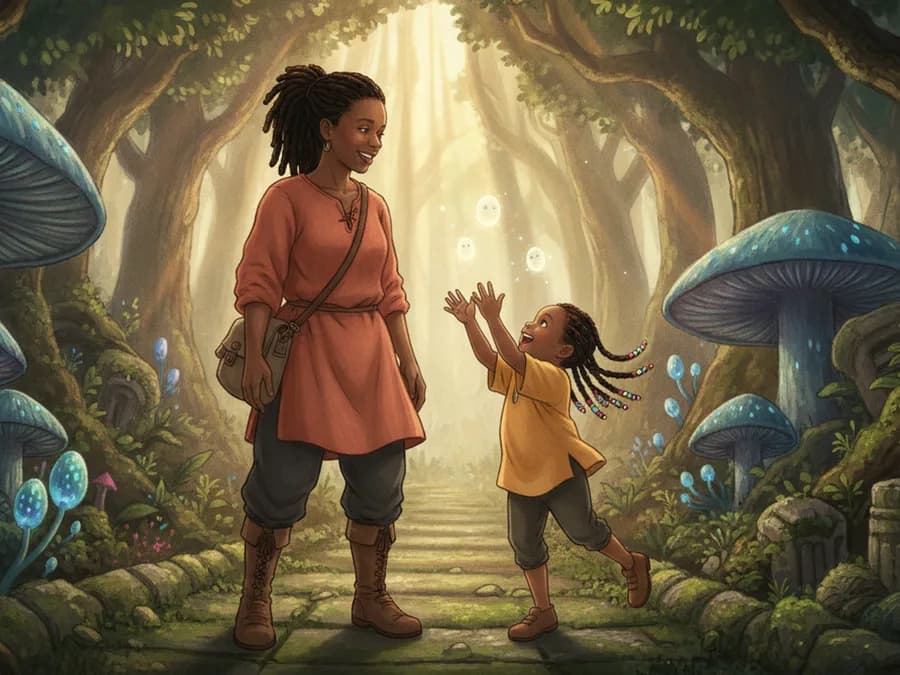
Ghibli Inspired
Lush worlds full of wind, grass and wonder, in the great anime tradition.
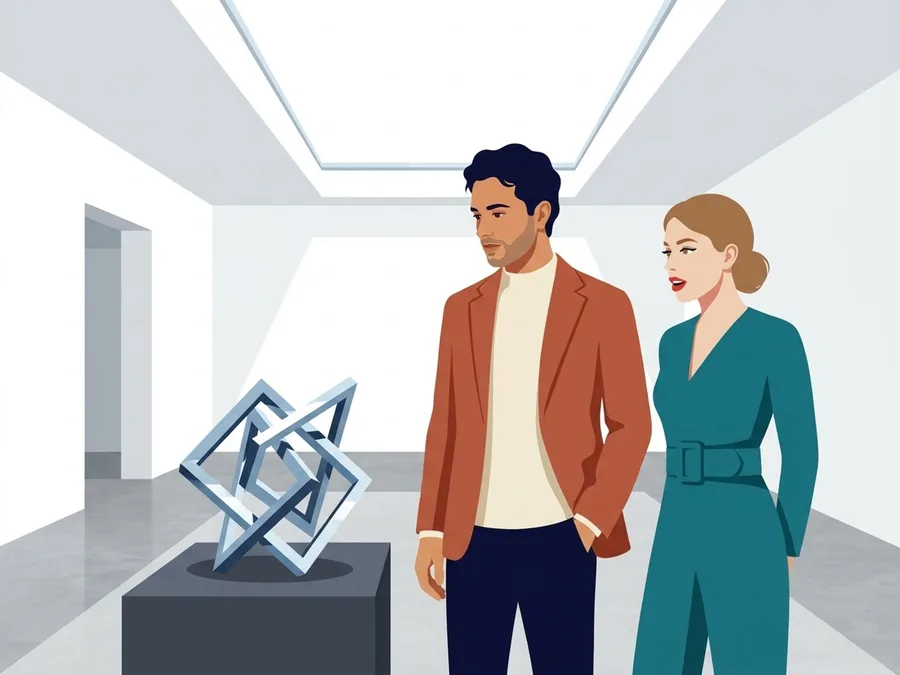
Modern Flat
Bold shapes, clean colour, playful and bright, a thoroughly modern storybook.
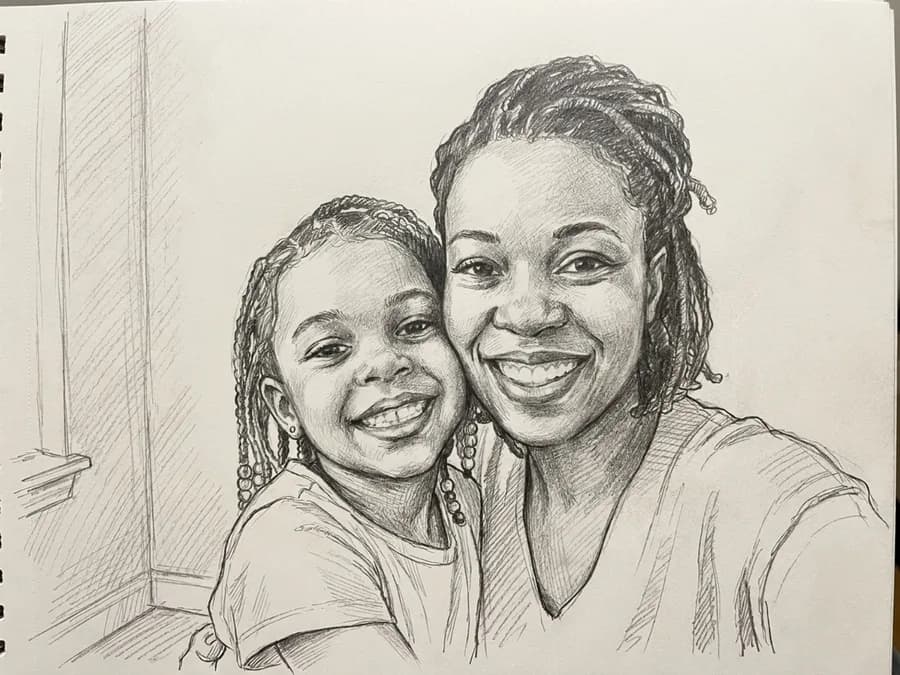
Pencil Sketch
Delicate graphite drawing, intimate and quiet, like pages from an artist's sketchbook.