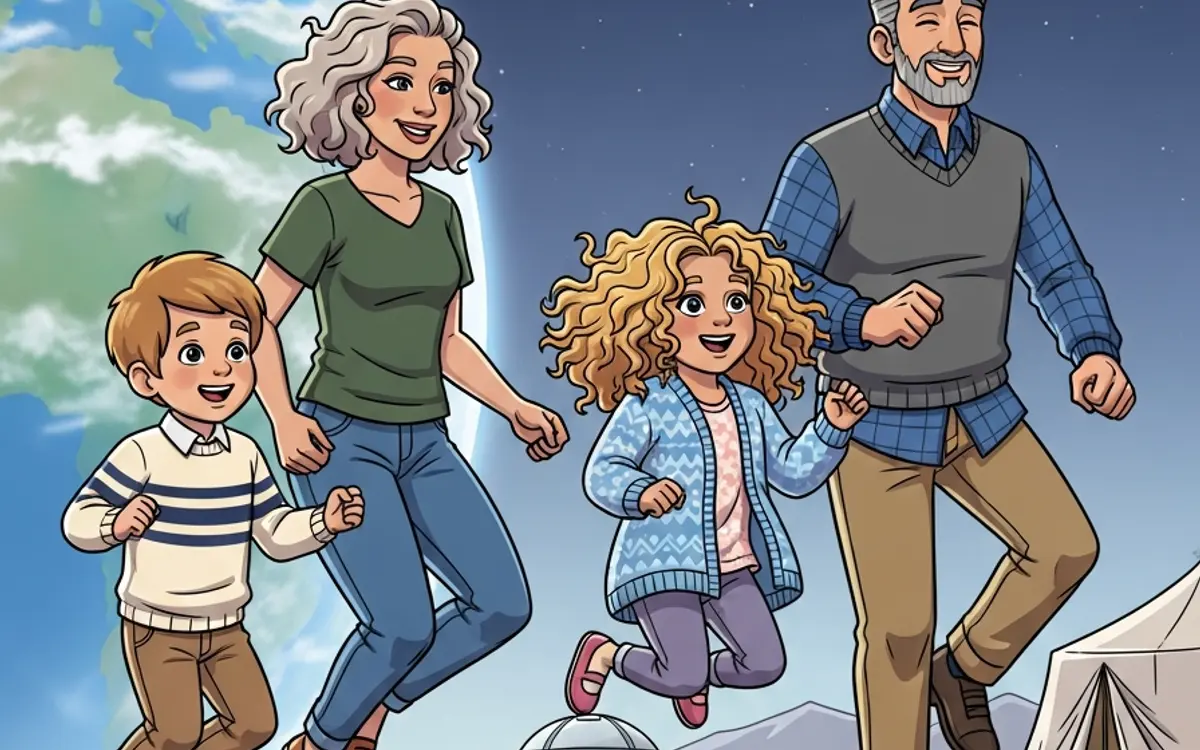
Search for a personalized name book and you will find two products sharing one description. In the first, a finished story exists already and the child's name is substituted into it wherever a name goes. In the second, the story does not exist until somebody writes it about a particular child. Both are sold with the word personalized, and they behave nothing alike once a child has the book in their hands.
The difference shows up fastest with the children the category is aimed at.
Why a name on the page does something
There is a well-worn observation among people who teach early reading: a child holds attention on a sentence longer when they identify with whoever the sentence is about. It is not a trick. To a four-year-old, "Mira went into the forest" is a different sentence when Mira is their own name. The subject stops being an abstraction and becomes them.
Names are only half of it, though, and the smaller half. Children read faces faster than they read words, and for a good few years faster than adults do. A child who finds their own hair, their glasses, the t-shirt they refuse to take off rendered on the page is not reading about themselves, they are looking at themselves. That is the part a name substitution cannot reach, and it is the part that gets the book opened a second and fifth and twentieth time.
Opening it again is the whole of a reading habit. Nothing else about it matters much.
One thing worth saying plainly: no single book makes a child a reader. But the feeling that a story is about you is one of the more reliable sparks for the attachment that forms in the first few years, and attachment is what survives.
Where the template version runs out
A template book has a fixed number of places a name can go, and the story around those places was written for nobody in particular. Read three of them and the shape is obvious, which is fine at three years old and stops being fine somewhere around six.
Older children detect it immediately. They are not fooled by their name in a sentence that could have held any name, and their verdict is usually silent: the book gets read once and shelved. What holds up at that age is personal detail worked into the plot rather than dropped into a slot. The city they live in, the dog's actual name, the joke that circulates in the family, the thing that happened at the swimming pool.
A gift is worth what it is worth six months later, when it is still on the table next to the bed.
What the book is, physically
The format does not change with age: 24 pages, 10 illustrated double-page spreads, hardcover, up to three characters. What changes is how much text sits on a spread and how the story is pitched.
Three and four: short story, big picture
At this age the child listens to the text and reads the illustration, so the picture is doing the talking. Wide images, few words, simple sentences. Character consistency matters more than it sounds like it should, because the child is hunting for their own face on every spread and wants to find it.
Watercolour storybook and the softer Ghibli-inspired styles land well here. The high-contrast gothic end of the range does not. Going through the twenty-four styles at bedtime and letting the child point is, by a distance, the best part of the process.
Five to seven: the story can carry weight
The child follows a plot now and asks why a character did the thing they did. Ten spreads is enough for a small problem, a discovery and a turn. They are still fed by the pictures but the text is getting real attention.
This is also the age where a child starts mouthing their own name when it appears. A name book becomes an early-reading tool almost by accident at that point: the words are familiar, the subject is personal, and between the two the child works up the nerve to say "I can read this".
Eight and nine: more text, subtler art
Older children spot a template instantly, so the sense that the book was genuinely made for them has to come from detail woven into the story rather than a swapped name. Tightening the prose at this age opens breathing room on the same ten spreads.
Manga black and white, vintage engraving and the darker fantasy styles work here. The child is now judging the thing as an object as well as a gift, and a personalized book at nine tends to end up displayed rather than read once.
Why it holds up as a birthday gift
There are ten boxes on the table. Three are plastic, two are soft, one is a puzzle. All of them are welcome and most are in a cupboard by spring. A book made about the child sidesteps that cycle because the gift does not finish when the wrapping comes off. The first reading is the beginning, then the second, then the hand held out for one more.
It is also an easier gift to give. You are not trying to guess the right toy for the age, and you are not buying the eleventh version of a thing they own ten of. For grandparents and aunts at a distance it does something specific: it says I know who you are, which is exactly the thing distance makes hard to say.
The process, briefly
You send photos and a few notes. The story is written from them, the illustrations follow the story page by page, and a digital proof comes back to you. Nothing is charged until you have approved it. If something is off, it gets fixed before the book prints.
Text and art are both produced with AI from what you send, and a person checks every page before it goes out. Photos are not used to train any model and are deleted after the book ships. The book costs $137.50, hardcover, shipping included; the pricing page is the version that stays current, and a second copy of the same book is $77. Typical turnaround after proof approval is two to three weeks.
Books can be printed in English or Turkish, which matters more than it sounds like it does for families running two languages at home.
Questions that come up first
Is the story actually written for my child? Yes, from scratch, from what you send. There is no template and no book is printed twice.
What ages does it suit? Roughly three to nine for this format, with the text pitched to the age.
Can siblings be in it? Up to three characters, so two children and a pet fit in one story.
When am I charged? After you approve the digital proof, never before.
What happens to the photos? Not used for training, deleted once the book ships.
If you are weighing a personalized name book against the rest of the birthday table, the birthday gift page has more on that comparison. Otherwise you can start a book with a few photos and a short note, or read how it works first.
Where to go next
Gift guide
A Birthday Gift They'll Read for Years →Styles that suit it
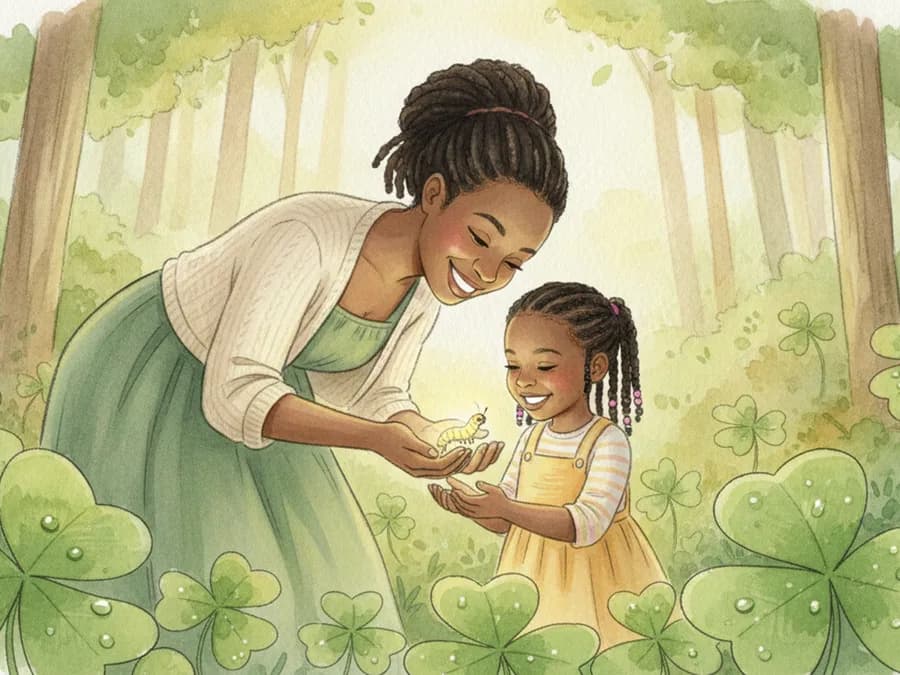
Watercolour Storybook
Soft washes and tender light, the classic picture-book feeling, painted warm.
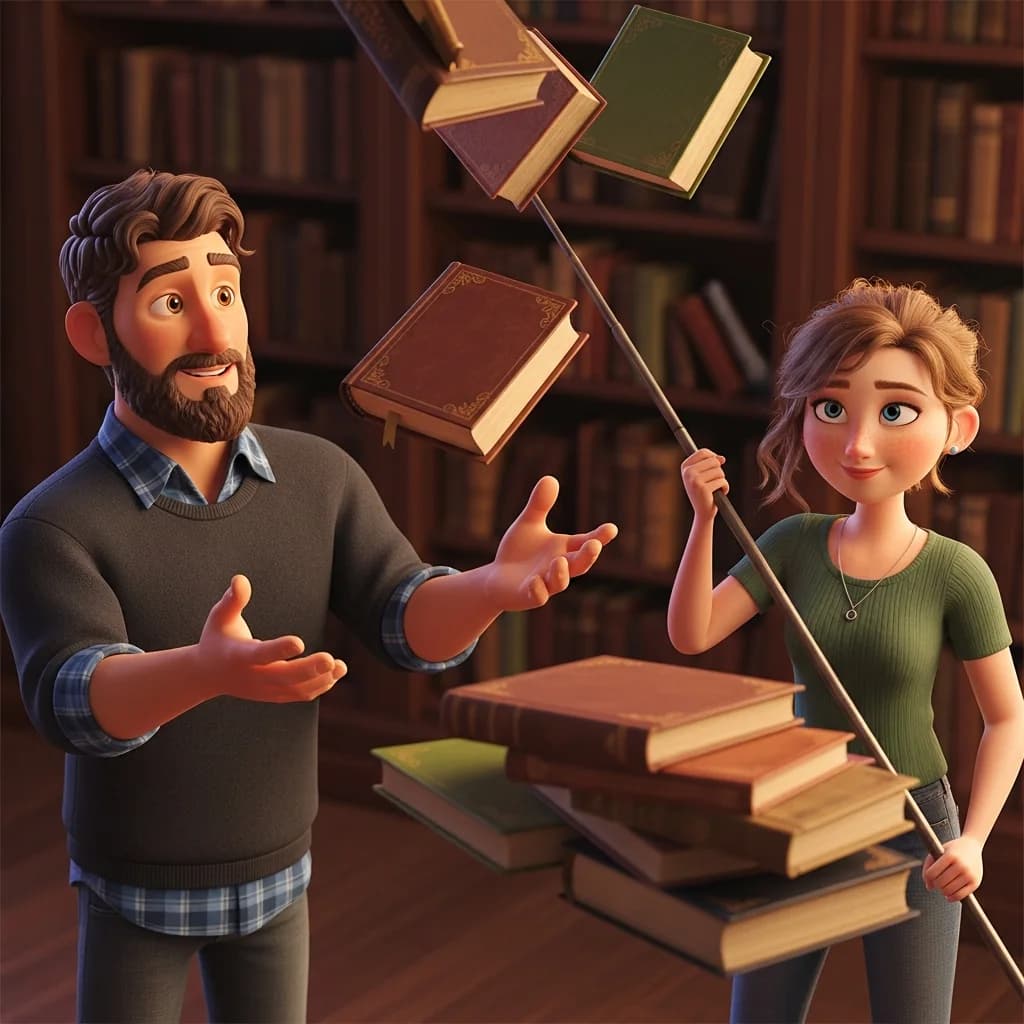
3D Animation
Polished 3D-film charm, expressive faces, soft skin and warm cinematic light.
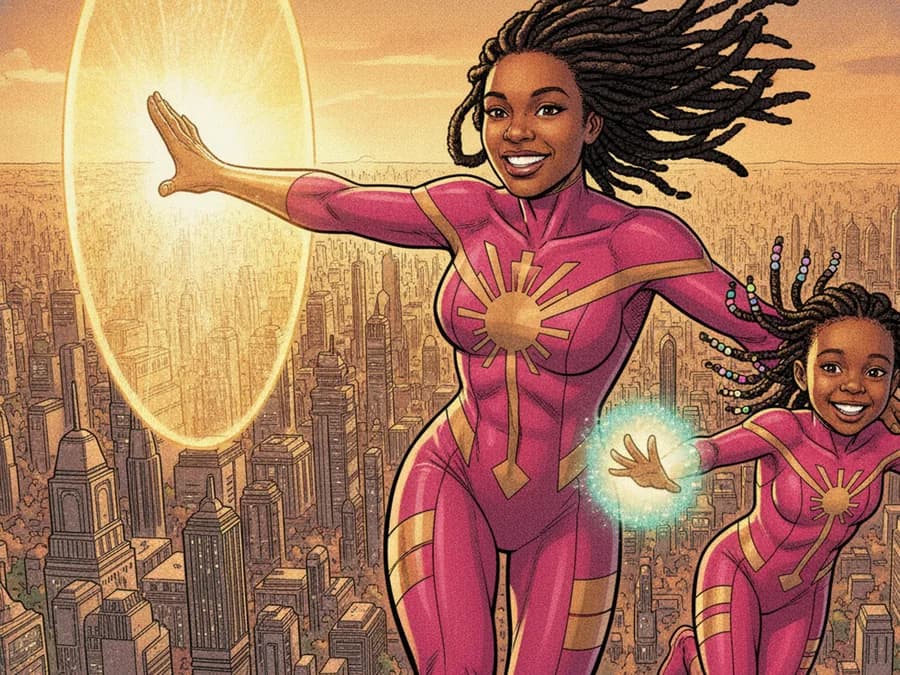
Comic Book
Bold inked outlines, dynamic energy and halftone shading, graphic-novel heroics.