Registries solved a real problem. Before them, couples got four toasters and a lamp nobody chose. Now they get exactly the knife block they asked for, from exactly the shop they picked, and everyone is spared the guesswork.
The trade is that a registry gift cannot mean anything. It cannot, structurally. You bought item nineteen off a list, and the couple knows you bought item nineteen off a list, and the thank-you card writes itself in a sentence.
Which is fine for most guests. It is not fine for the four or five people at that wedding whose gift is supposed to say something, because they have known one of these two people since they were fourteen.
If you are one of those four or five, this is for you.
What a personalized wedding gift book actually is
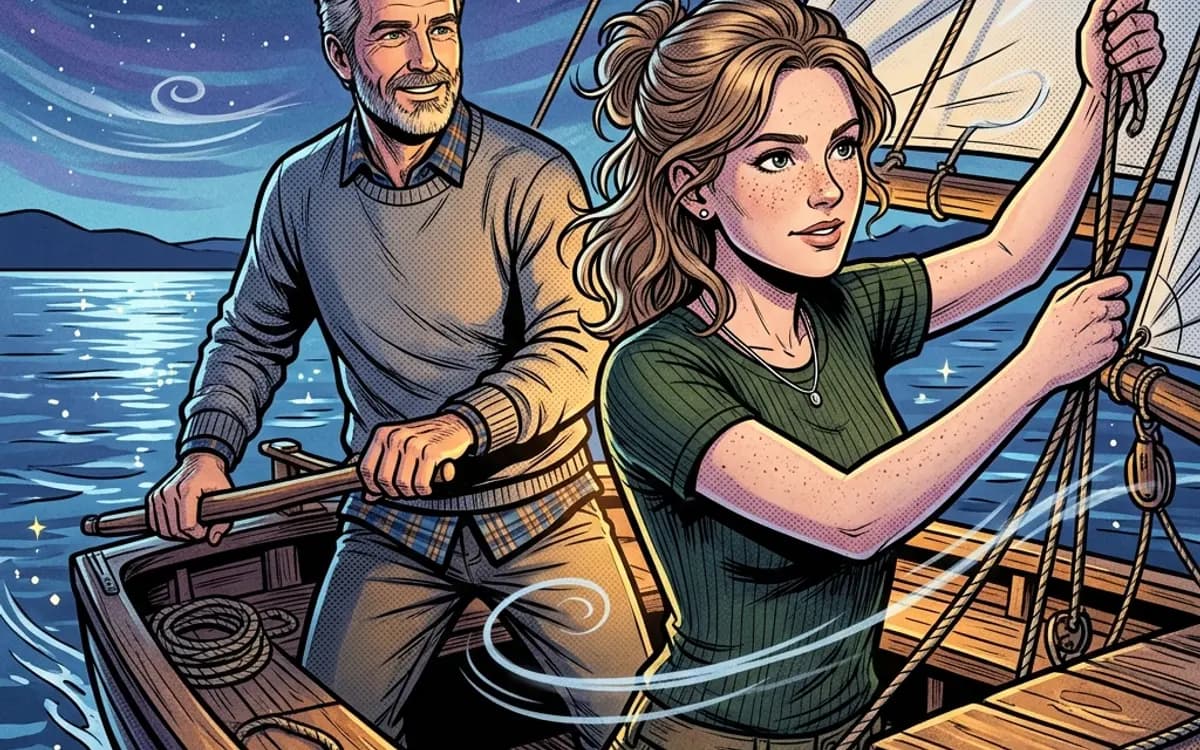
It is a hardcover storybook, written and illustrated around the couple, made from photographs you send. Not a photo book with captions. An actual story with a beginning, a middle and a turn, where the two characters are them, drawn to look like them, in a world that looks like the places they have actually been.
The premise is usually simple, and simple is better. How they met. The year they lived apart. The trip where everything went wrong. One thread, told properly across thirteen illustrated spreads, beats a highlights reel of nine years every time.
A registry gift is chosen from a list they wrote. This one is chosen from a story only you were there for.
What to put in it, and what makes it fall flat
The mistake is going broad. "Their love story" is not a brief, it is a genre. Books built on that come back tender and generic, which is a polite way of saying they could belong to any couple with the same haircuts.
The books that land are narrow and slightly ridiculous. The specific bus. The flat with the broken boiler. The argument about the correct way to pack a suitcase, which is still ongoing and will be at the reception. Wedding guests groan with recognition at that kind of detail, and recognition is the whole point.
So when you write the brief, aim for three or four concrete things you actually remember rather than a summary of the relationship:
- Where they met, in enough detail that it could not be anywhere else.
- One thing that went badly and became a joke.
- Something one of them does that the other pretends to find annoying.
- The place they always end up, a kitchen, a beach, a particular pub table.
That is enough. The rest is the writing.
The practical facts, so nothing surprises you
- One edition: a 30-page hardcover with 13 illustrated spreads, up to six characters.
- The story and the artwork are AI-generated from your photos and your brief, then reviewed page by page by a person before you see a proof.
- You read the entire book as a digital proof and approve it before anything is printed. If it is not right, it gets revised at the proof stage.
- Photographs are private, never used to train models, and deleted after the book ships.
- Pricing is on the pricing page, and an extra copy of the same book costs less, since only the printing repeats.
That last line is worth reading twice if you are one of several friends chipping in. One book for the couple and one for a parent is a common order, and the second copy is not full price.
On timing, which is the thing people get wrong
Weddings have a hard date and a chaotic six weeks in front of it. Start about a month out. It is about 15 business days from order to door, and you want slack for a revision round rather than approving something you half like because the wedding is Saturday.
If you are already inside that window, there is a graceful move: order anyway, approve the proof, and print the proof for the day with a note saying the hardcover is on its way. Couples are opening a hundred things that afternoon. A book that arrives two weeks later, when the flowers are dead and the flat is quiet, tends to get read properly instead of glanced at.
An anniversary is also a perfectly good target. The first one, when the wedding has become slightly funny in memory, is arguably a better moment for this gift than the wedding itself.
Choosing a look that suits them
Wedding books tend to go one of two directions, and the art style is where you decide which.
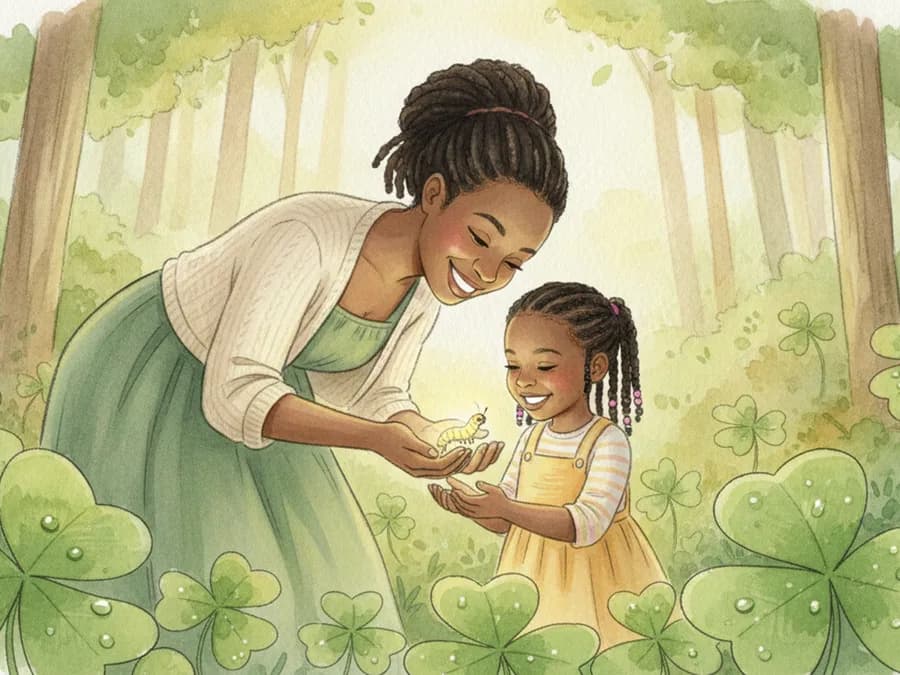
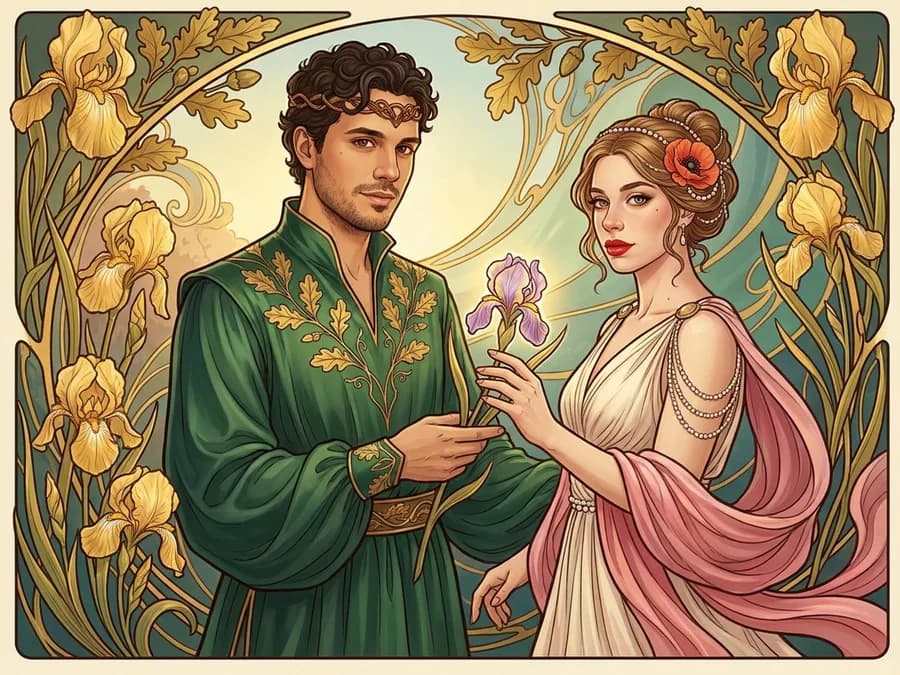
Watercolour is the safe and genuinely lovely default. It reads as warm without being sentimental, and it flatters photographs taken in bad light, which most of yours will be. Art nouveau gives the book a decorative, slightly formal quality that suits a couple who care about how things look. Minimalist line art is the one to pick if they are the sort of people whose flat is very white and who would find watercolour a bit much. Impressionist works when the story is really about a place.
All twenty-four are on the styles page, and the four we recommend for this occasion are on the wedding gift page.
Two situations where this is the obvious gift
Second weddings, and weddings with children already in the house. A registry is awkward when two households merge and there are already two of everything. A book with the whole new family in it, children included, solves both the gift problem and a quieter one about who belongs in the story.
Long-distance friends who cannot come. If you are missing the wedding for reasons you cannot fix, a book about the years you were there for is the closest thing to attending. It says the specific thing a card cannot fit.
What actually happens to it
Here is the argument for the whole category, in one observation. Ask a couple married ten years what they got as wedding presents. They will remember two or three things. The rest were consumed, broken, replaced or quietly given away, because that is what objects do.
A book is not consumable. It goes on a shelf, comes down when someone visits, and gets read to a child who wants to know what mum and dad were like before. It is one of the very few wedding gifts whose best year is not its first one.
Where to go next
Gift guide
A Wedding Gift No Registry Can List →Styles that suit it
Watercolour Storybook
Soft washes and tender light, the classic picture-book feeling, painted warm.
Art Nouveau
Flowing lines, floral borders and gilded elegance from the Belle Époque.

Minimalist Line Art
Elegant continuous-line drawings, modern, intimate and gallery-worthy.